Artificial intelligence (AI) is no longer a futuristic concept; it’s a transformative force revolutionizing the creative industry. From generating scripts and composing music to designing visuals and even creating entire virtual worlds, AI is reshaping how we create and consume art. However, this rapid advancement also raises pressing questions about how we govern this technology to ensure it benefits both creators and society.
Our research initiative is exploring three critical angles of AI governance in the creative industry:
1. Economic Impact: Balancing Innovation and Access
AI promises to democratize creativity by making powerful tools accessible to a wider audience. This could lead to a surge in new creators and novel forms of expression. However, we must also consider:
- Barriers to entry: Will the cost and complexity of AI tools create a divide between those who can afford them and those who cannot?
- Economic models: How will AI-generated content be monetized? Will traditional revenue streams for artists be disrupted?
- Job displacement: As AI automates certain tasks, how will this impact employment in the creative sector? Will new jobs emerge to replace those lost?
To foster a thriving creative economy, AI governance must strike a balance between encouraging innovation and ensuring equitable access to opportunities.
2. Ethical and Legal Considerations: Protecting Creativity and Rights
AI’s ability to generate content raises ethical and legal concerns. Key questions include:
- Authorship and ownership: Who owns the rights to AI-generated works? How do we protect the intellectual property of human creators?
- Bias and representation: Can AI perpetuate harmful stereotypes or biases? How can we ensure fairness and inclusivity in AI-generated content?
- Misuse and deepfakes: How can we prevent the malicious use of AI to create deceptive or harmful content, such as deepfakes?
AI governance must establish clear guidelines and regulations to address these ethical and legal challenges, safeguarding the rights and interests of both creators and consumers.
3. Creative Expression and Innovation: Nurturing the Human Element
While AI offers exciting possibilities for creative expression, it’s crucial to preserve the unique human touch that makes art meaningful. We must consider:
- Augmentation vs. replacement: How can AI be used to enhance human creativity rather than replace it entirely?
- Originality and authenticity: How do we define and value originality in a world where AI can generate content indistinguishable from human-made works?
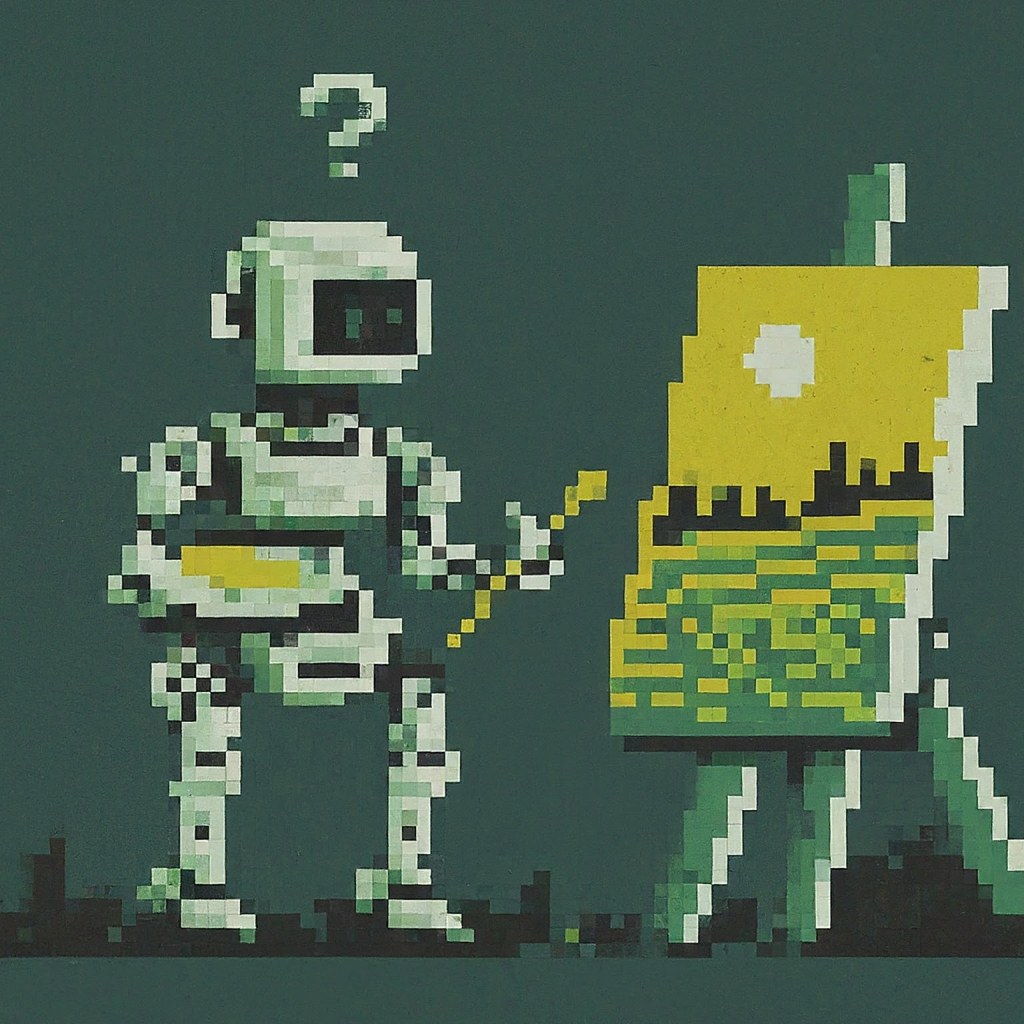
- Collaboration and co-creation: How can we foster collaboration between humans and AI to unlock new creative possibilities?
AI governance should encourage experimentation and exploration while recognizing and valuing the irreplaceable human element in the creative process.
The future of AI in the creative industry is full of potential, but it’s a future that requires careful navigation. By addressing the economic, ethical, and creative implications of AI, we can shape a future where AI serves as a powerful tool for human expression, innovation, and connection.
Join us in this crucial conversation! Share your thoughts and insights on how we can responsibly govern AI to unlock its full potential for the creative world.
 moondiagram (MD.)
Leave a Reply